
About the Festival
About the Festival
A community tradition rooted in a simple truth: water is wealth.
2026 Storyline
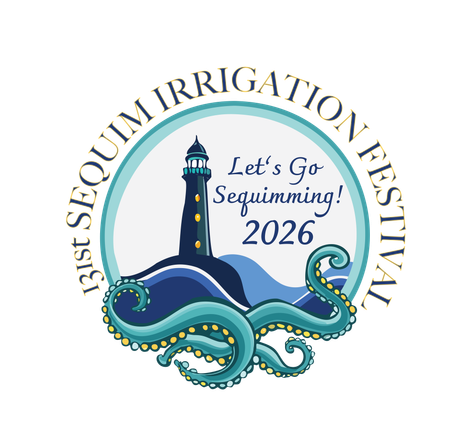
The The morning fog lifted as the ship drifted near the New Dungeness Lighthouse, its beacon slicing soft gray into gold. Suddenly, the waters boiled—and from the Strait of Juan de Fuca, the mystical Kraken surfaced, eyes twinkling like rubies.
“Fear not,” the Kraken boomed, tentacles curling around the hull in a gentle protective embrace. “I am Sequim’s guardian, and you’ve arrived just in time!”
The sailors clung to the rails, as an air of calm settled over the ship. Their fear and anxiety waning with the Kraken’s welcome. “It’s the 131st Sequim Irrigation Festival,” the Kraken continued, voice echoing across the waves.
“Long ago, Sequim’s fields flourished because of clever irrigation, and every year we celebrate with parades, music, and merriment. ‘Let’s Go Sequimming!’ means reveling in every joy Sequim offers—sunshine, community, festival magic, and adventure!”
With a final flourish, the Kraken slipped beneath the waves, leaving behind laughter and a festival invitation shimmering on the air. The boaters cheered, “Let’s Go Sequimming!”. If YOU want to go Sequimming…you better get Kraken


Our Story
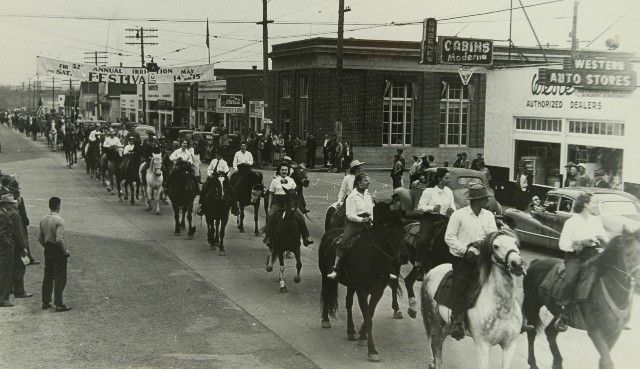
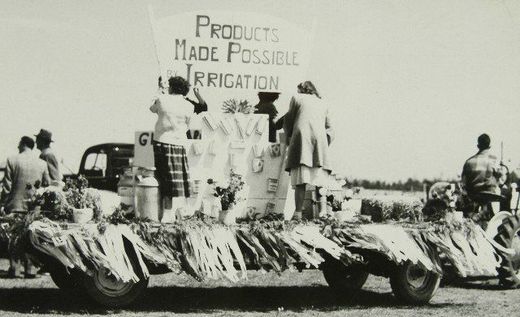
The Sequim Irrigation Festival celebrates the work of D.R. “Crazy” Callen and his partners, who helped develop irrigation ditches that carried water from the Dungeness River to the Sequim Prairie.
The first headgate on the Dungeness River was lifted on May 1, 1895. A year later—May 1, 1896—the first celebration was held at Crazy Callen’s farm, beginning what would become the oldest continuing festival in Washington state.
Mission, values, and what we celebrate
The festival is built by volunteers and supported by sponsors, grants, and partnerships.
- Community teamwork and volunteer spirit
- Stewardship of sponsor and community support
- Innovation and determination, the same grit it took to bring water to the prairie
What we value
Why irrigation is central to Sequim (and the festival)
Sequim sits in the Olympic Mountains’ rain shadow and receives relatively low annual rainfall. Historically described as around 16–17 inches per year.
That’s why irrigation mattered: local settlers organized in the 1890s to create a ditch system that delivered Dungeness River water onto the prairie, helping agriculture and settlement thrive in the Dungeness Valley.
Originating as a celebration of water reaching the prairie, the festival continues to evolve—bringing residents and visitors together through events across the first two weekends of May.